
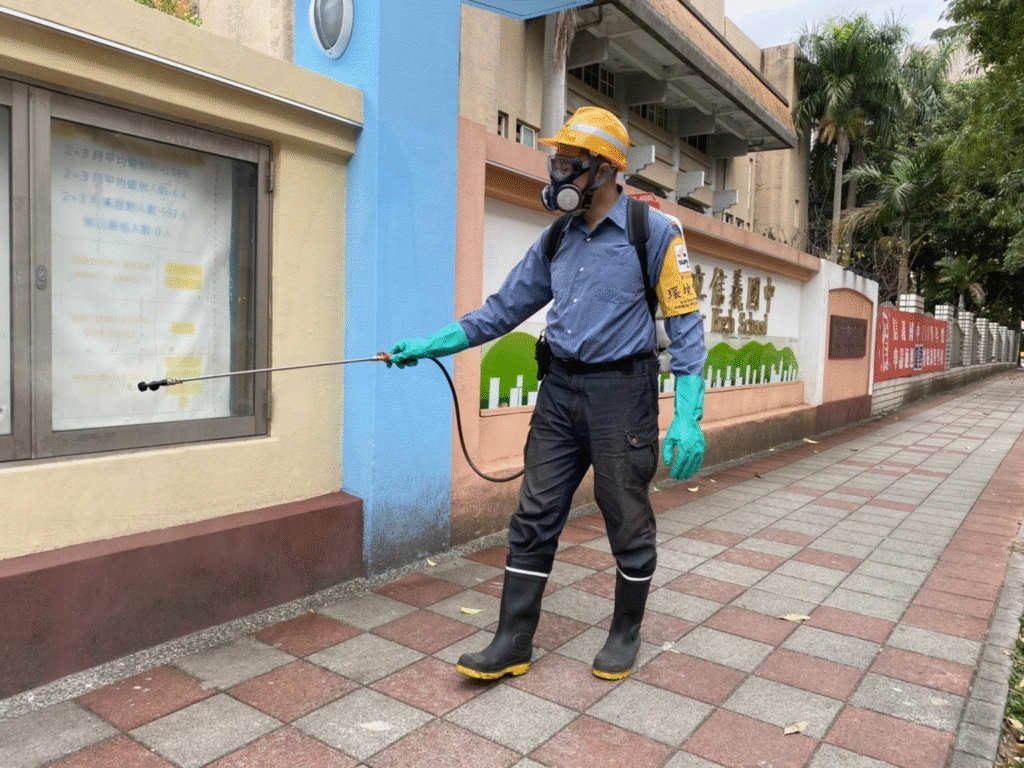
School disinfection has become a central focus for educational institutions determined to protect the health and well-being of students, teachers, and staff. As schools welcome hundreds or even thousands of individuals daily, every doorknob, desk, key pad, and passageway becomes a surface that can have countless viruses. A single child with a cold can unintentionally introduce trojans that spread rapidly across classes. This reality makes school disinfection not just a recommended practice but a critical responsibility. An extensive approach to sanitation helps reduce illness-related absences, supports overall educational performance, and promotes an awareness of security among school communities.
Many people often confuse cleaning with disinfection, yet they serve different purposes 消毒服務. Cleaning focuses on removing dirt, dust, and debris from surfaces, while disinfection specifically targets harmful pathogens like trojans, bacteria, and fungi. In a school environment, both play essential roles, but disinfection is the process that truly helps break the archipelago of infection. When schools combine cleaning and targeted disinfection protocols, they create a multi-layered defense that significantly reduces the possibilities of episodes.
One of the primary benefits of school disinfection is its capacity to minimize the spread of contagious illnesses. Common infections such as influenza, norovirus, strep tonsils, and the common cold can attract through classes quickly. Younger kids, particularly those in early education, are still learning proper hygiene habits, which are them more likely to spread viruses through shared toys, learning materials, and often handled surfaces. By implementing regular disinfection routines, schools can slow or stop the spread of these illnesses, ultimately decreasing absenteeism and maintaining continuity in learning.
Beyond preventing everyday illnesses, school disinfection has become a critical part of emergency preparedness. Events such as pandemics highlight benefit of having robust sterilizing protocols in place a long time before a crisis occurs. Schools that maintain consistent disinfection practices are better positioned to adjust to sudden public health guidelines. They can quickly scale their efforts without striving for new procedures or supplies. This preparedness not only protects health but also builds trust among parents and employees who rely on the school to make informed, aggressive decisions.
Effective school disinfection requires more than simply applying cleaning products. It begins with identifying high-risk areas, called high-touch points. These include door handles, light buttons, personal computers, locker doors, faucets, railings, cafeteria tables, and technology devices. Because these surfaces are handled repeatedly throughout the day, they are primary ‘hang-outs’ for inspiring seed transmission. A strategic disinfection plan prioritizes these areas, ensuring they receive more frequent and thorough attention. Many schools now use check-lists to ensure that custodial teams consistently follow these protocols.
Another part of modern school disinfection involves selecting the right products. Not all disinfectants are created equal. Schools must choose products that are approved for use against a wide range of pathogens and are safe for use around children. The ideal disinfectant works quickly, is environmentally friendly, and does not leave behind harmful residues. Some schools opt for hospital-grade solutions, while others choose green-certified products that balance effectiveness with sustainability. Whichever products are selected, proper training is essential. Employees must discover how to apply disinfectants correctly, how long they need to remain on surfaces, and how to deal with them safely.
Technological advancements have likewise transformed school disinfection practices. Traditional methods like spraying and wiping remain important, but innovative tools such as electrostatic sprayers, foggers, and UV-C light systems offer enhanced efficiency and coverage. Electrostatic sprayers, for example, help disinfectants cling to surfaces more effectively, even people that have abnormal shapes. UV-C devices can be used after school hours to clean classes without chemicals. These advanced methods allow schools to achieve deeper and more consistent sterilizing, especially in large facilities with heavy daily traffic.
School disinfection is most effective when matched with strong personal hygiene education. Teachers and staff can reinforce healthy habits such as proper handwashing, breathing problems into elbows, and avoiding the sharing of personal items. Many schools place sanitizing areas in hallways, classes, cafeterias, and gym entrances. When students understand benefit of sanitation, they become active participants in maintaining a healthy environment. This sense of shared responsibility firms the overall impact of disinfection efforts.
In addition to health benefits, consistent school disinfection contributes to a confident school atmosphere. Clean, well-maintained facilities create a sense of pride among students and staff. Parents feel more confident sending their children to school when they know that the surroundings is being carefully maintained. Teachers experience fewer interferences due to illness episodes and can focus more fully on instruction. A clean school demonstrates care, respect, and professionalism and reliability, which experts claim improves spirits.
The financial benefits of school disinfection should not be overlooked. While cleaning supplies and sterilizing technology require investment, the lowering of absenteeism can offset these costs. When students miss fewer days of school, their educational performance improves. When teachers remain healthy, schools avoid costly substitute staffing. Even minor episodes can become expensive if not properly managed. Consistent disinfection helps prevent these interferences and supports smoother school operations.
Despite its clear advantages, school disinfection is most effective when implemented as part of a bigger safe practices strategy. This might include improving setting up, promoting vaccination awareness, ensuring adequate handwashing facilities, and establishing clear protocols for students who become sick during the school day. When all of these elements function together, schools create environments that support both physical health and educational success.